Why RAM Prices Are Rising in 2026 and When the Market May Stabilize
How AI demand, manufacturing limits, and the DDR4–DDR5 transition are reshaping global memory pricing
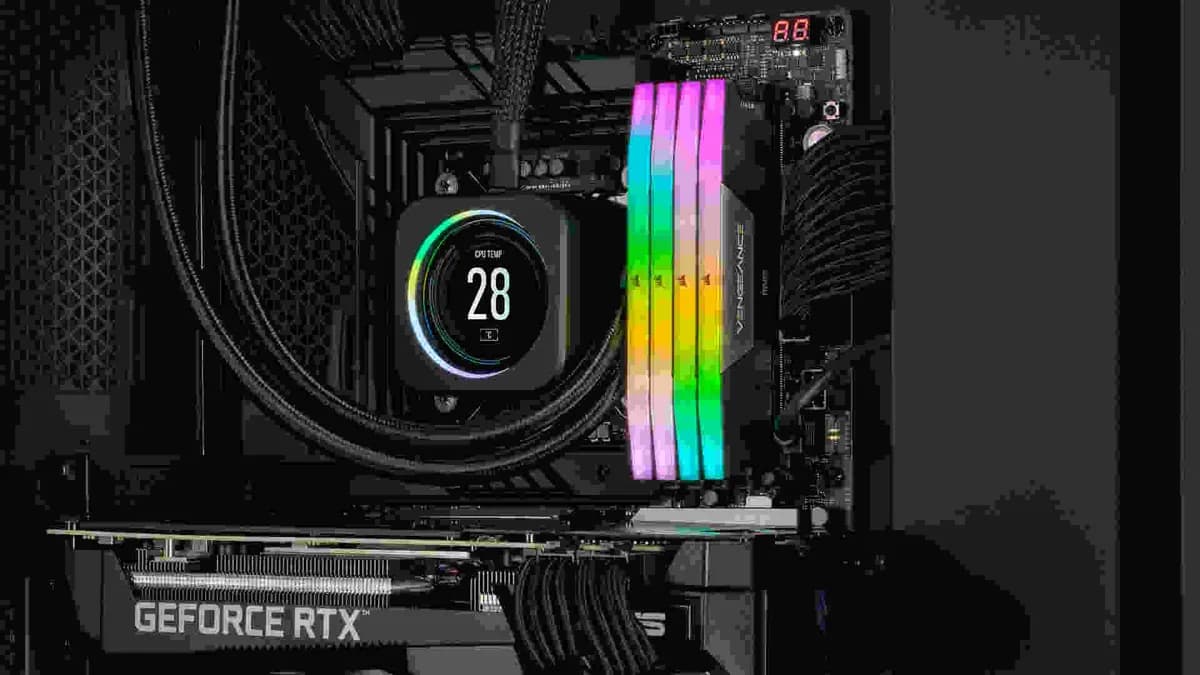
Why RAM Prices Are Rising in 2026: Causes, Market Impact, and Future Outlook
RAM prices have been climbing steadily, leaving PC builders, gamers, and everyday users asking an important question: why is memory becoming more expensive, and when will prices finally stabilize? This upward trend is not driven by a single issue. Instead, it reflects deep structural changes in the global semiconductor industry. From artificial intelligence demand to manufacturing limitations, several powerful forces are reshaping the memory market.AI and Data Centers Are Driving Massive Demand
One of the biggest contributors to rising RAM prices is the explosive growth of artificial intelligence. Training and running large AI models requires enormous amounts of system memory, especially in cloud servers and enterprise data centers. Major cloud providers and AI companies purchase memory in huge long-term contracts. Because these buyers operate at massive scale, they receive priority access to available supply. This leaves fewer memory modules for consumer markets such as desktops, laptops, and gaming PCs. When demand remains extremely high and supply tightens, price increases become unavoidable.
Memory Manufacturers Are Shifting to Higher-Margin Products
Leading memory producers like Samsung Electronics, SK Hynix, and Micron Technology are prioritizing profitability over volume. Instead of producing large quantities of standard consumer RAM, manufacturers are focusing on server-grade memory, high-bandwidth memory used in AI accelerators, and enterprise-level solutions with higher margins. While this shift makes financial sense for manufacturers, it reduces the availability of consumer DDR4 and DDR5 modules, pushing prices higher even without a surge in consumer demand.Why Production Cannot Scale Quickly
Semiconductor manufacturing is one of the most complex industrial processes in the world. Building a new memory fabrication plant can take three to five years and requires billions of dollars in investment. Even expanding existing facilities is slow due to advanced manufacturing requirements, strict quality control, and limited access to specialized equipment. Because of this, sudden increases in demand cannot be met quickly. The current RAM shortage is therefore a structural issue rather than a short-term disruption.
DDR4 to DDR5 Transition Adds Market Pressure
The industry is currently transitioning from DDR4 to DDR5 memory. While DDR5 adoption is increasing, DDR4 remains widely used across millions of existing systems. Supporting both standards at the same time increases production complexity and reduces flexibility. DDR5 manufacturing is also more advanced and initially more expensive, which places pricing pressure on both memory generations.Impact on PC and Laptop Prices
RAM is a core component of every computer, and even small increases in memory costs can raise the final price of PCs and laptops. Some manufacturers respond by increasing retail prices, while others reduce default RAM configurations to keep systems affordable. For gamers and power users, this often means paying more for upgrades or delaying system builds.
When Will RAM Prices Stabilize?
Most industry analysts agree that significant price drops are unlikely in the near future. Pricing pressure is expected to continue through much of 2026 due to ongoing AI demand and slow growth in manufacturing capacity. A more balanced market may emerge around 2027, when new production facilities become operational and supply better aligns with demand. However, this timeline depends heavily on the pace of AI adoption.What Buyers Should Do Now
If you need RAM immediately, it is best to buy according to your actual requirements rather than waiting indefinitely. Monitoring sales and promotional periods can help reduce costs even if overall market prices remain high. If an upgrade is not urgent, waiting for discounts or bundled deals may offer better value.
Conclusion
The rise in RAM prices is driven by long-term industry shifts rather than temporary market conditions. Artificial intelligence expansion, limited manufacturing scalability, and strategic decisions by memory producers have reshaped the global memory market. While prices may stabilize in the coming years, major declines are unlikely until supply growth fully catches up with demand. Understanding these factors helps consumers make informed purchasing decisions in an uncertain market.Frequently Asked Questions
Comments (0)
No comments yet.
Leave a comment
Related Articles
View all stories
Hostinger vs Bluehost (2026)
This comparison explains the differences between Hostinger and Bluehost in pricing, performance, WordPress support, and usability. Both are beginner-friendly, but Hostinger offers better pricing while Bluehost provides stronger WordPress integration.

Bluehost Review 2026
This Bluehost review explains its features, performance, pricing, and suitability for beginners. Bluehost is a good hosting option for starting blogs, affiliate websites, and small business sites with ease.
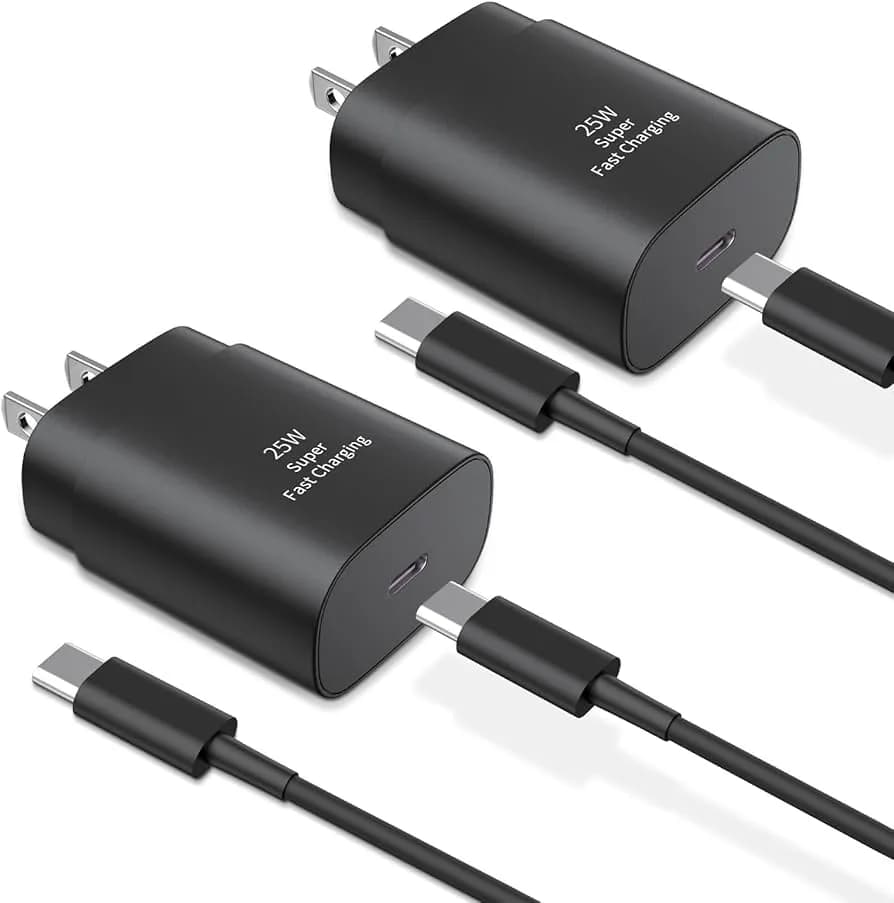
Best USB-C Fast Charging Adapters in 2026
This article reviews the best USB-C fast charging adapters, explains charging standards like PD & QC, covers wattage options, and guides you to choose the right charger for your device.